Games to Stimulate Dog Intelligence

Games to stimulate dog intelligence can turn a few minutes of quiet time into meaningful, playful training that builds focus and confidence. Start with short sessions that feel like fun, not a test. Simple activities — hide-and-seek, scent hunts, puzzle feeders, and gentle tug-with-rules — engage the dog brain and teach impulse control. Rotate tasks

Read More

How to Stop Dog Fear Barking

how to stop dog fear barking is a practical plan you can use at home. It focuses on changing emotion first, not simply silencing the sound. Start by creating safety and distance for your pet. Give space, limit triggers for a week, and use high-value food to pair calm moments with good things. Trainers rely

Read More

How to Stop Dogs from Chasing Cars

How to stop dog chasing cars begins with steady management, calm training, and smart distance work that keeps everyone safe. This brief guide gives clear steps you can use right away to make moving vehicles less tempting and give your pet a safe outlet for chase instincts. Chase drive comes from natural instincts in many

Read More

Dog Playtime Safety Tips

Dog playtime safety tips give you clear steps to keep games fun and reduce risks at home or the park. Safe play builds confidence when paired with basic obedience and steady communication. Trainers stress consistent cues so your pet understands limits during energetic moments. This short guide shows how to set up safe spaces, choose

Read More

Training Your Dog to Be Alone Comfortably

The phrase how to train dog to be alone might make you anxious, but small steps and clear routines calm both you and your pet. Separation anxiety often shows as barking, pacing, drooling, or attempts at the door just after you leave. This guide explains a gentle process that builds confidence through short, safe absences

Read More

Teaching Dogs to Come When Called

Teaching dog to come when called is the foundation of safe, confident outings and gives you options for supervised off-leash time where laws and conditions allow. Start small and simple: short sessions in a quiet room or fenced yard set your pup up for success. Use a single recall word, a warm, upbeat tone, and

Read More

How to Handle Dog Aggression

You’ll find clear, practical steps on how to handle dog aggression starting here, with calm guidance that focuses on safety first. Quick warnings like stillness, growling, showing teeth, or lunging often come before a bite. Dogs use these signals to create space, and recognizing them helps you act earlier. This short introduction outlines a simple

Read More

Training Your Dog for Car Rides

You can teach a calm, confident pup to enjoy time in the car by starting small and predictable. Early experiences shape how a dog reacts, so gentle steps that focus on comfort will make future trips more pleasant and safer. Begin with quiet sessions in a parked vehicle, use short reward-based activities, and only add

Read More

How to Stop Dogs from Chewing Furniture

Dog chewing is a normal part of life for many pets, and understanding this helps you protect your home while keeping your pet happy. Puppies gnaw as they teethe, and adult canines chew to clean teeth, relieve mild stress, or fight boredom. Rather than punish, you will redirect the behavior and give safe alternatives. Start

Read More

Training Your Dog to Walk Off Leash

The plan for training dog to walk off leash focuses on clear, stepwise skills that keep your pet safe while giving both of you more freedom. Start small: basics inside the house, then fenced yards, then a long line before trying brief, supervised time without a tether. This staged approach builds reliable recall and calm

Read More

Solutions for Dogs Afraid of Loud Noises

The phrase dog fear of loud noises solutions starts a practical plan you can use today to help your pet feel safer during storms, fireworks, and sudden sounds. About one-third of dogs show some reaction to big events, and nearly half of owners report signs like panting, hiding, or trying to escape. Left unchecked, these

Read More

How to Stop Excessive Barking in Dogs

how to stop excessive dog barking is a practical goal when noise affects life at home, and it starts with understanding why your pet speaks up. Barking is a normal form of canine communication. Dogs alert, ask for needs, or react to visitors and sounds. That means reducing the amount and intensity is more realistic

Read More

How to Stop Dog Whining at Night

One study found that more than 40% of owners hear frequent nighttime vocalizations from pets in the first month after bringing a pup home — a surprising toll on sleep and household calm. This article explains a clear, step-by-step way to calm a dog while protecting sleep and progress in the crate. Whining is a

Read More

Crate Training for Older Dogs

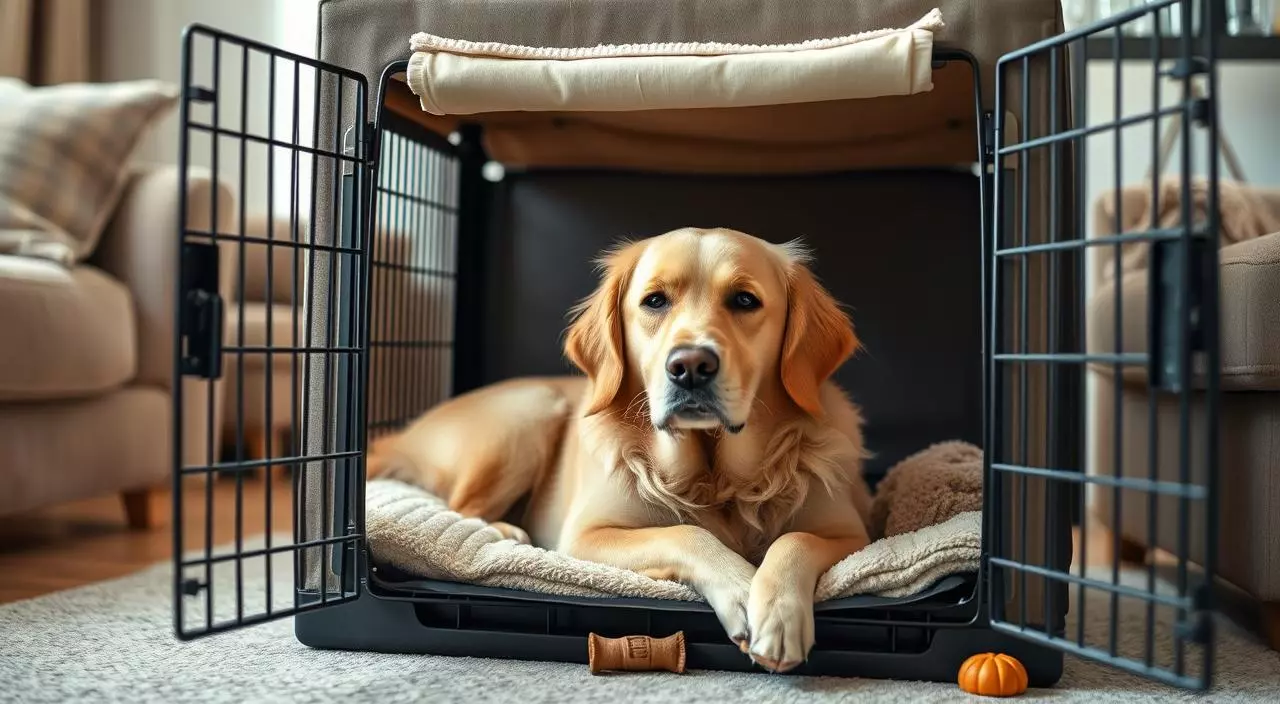
Surprising fact: more than half of adult pet owners report success when they introduce a safe den slowly, even if their companion once resisted new routines. This guide explains a calm, step-by-step way to help an adult dog accept a soft den. Experts say change can take longer for animals with set habits or past

Read More

Dog Leash Pulling Solutions

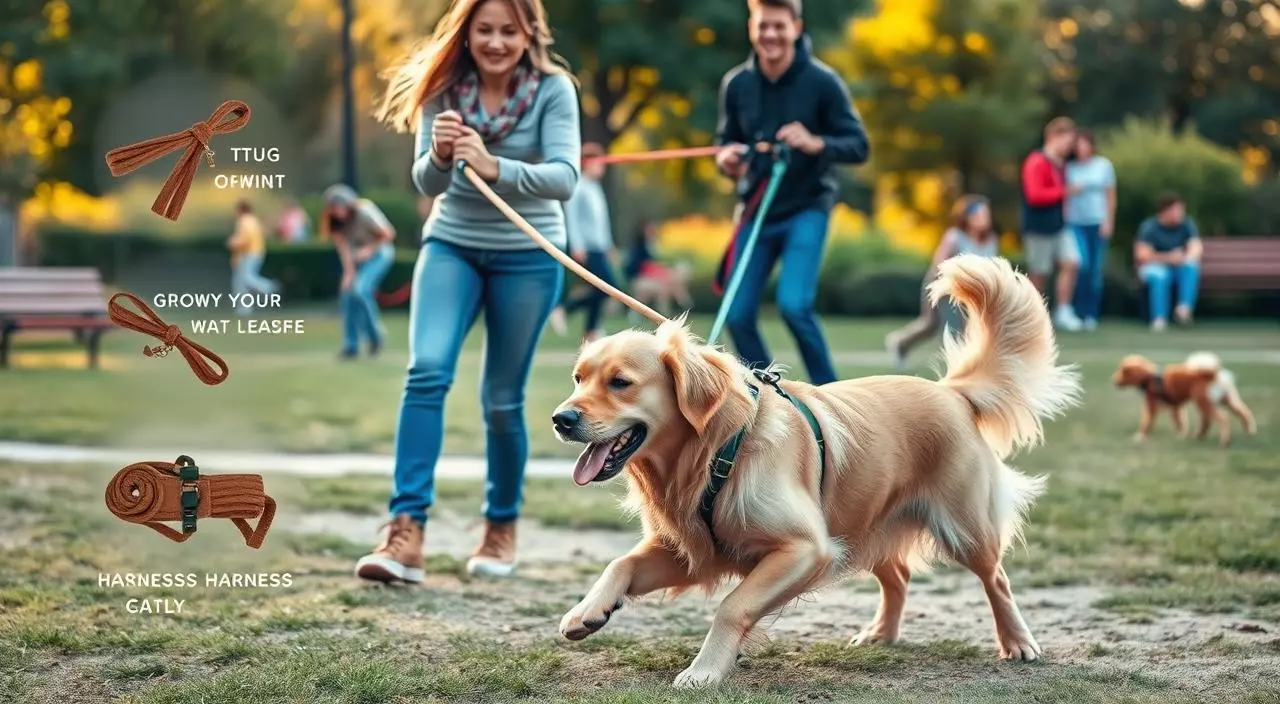
Here’s a surprise: falls and strains tied to poor walking manners affect thousands of owners each year, yet most fixes are simple and science-backed. Good walking skills protect public safety and reduce injury risk for both people and pets. Reward-based training that reinforces a slack leash makes polite walking a clear, repeatable choice for the

Read More

Why Dogs Dig Holes and How to Stop It

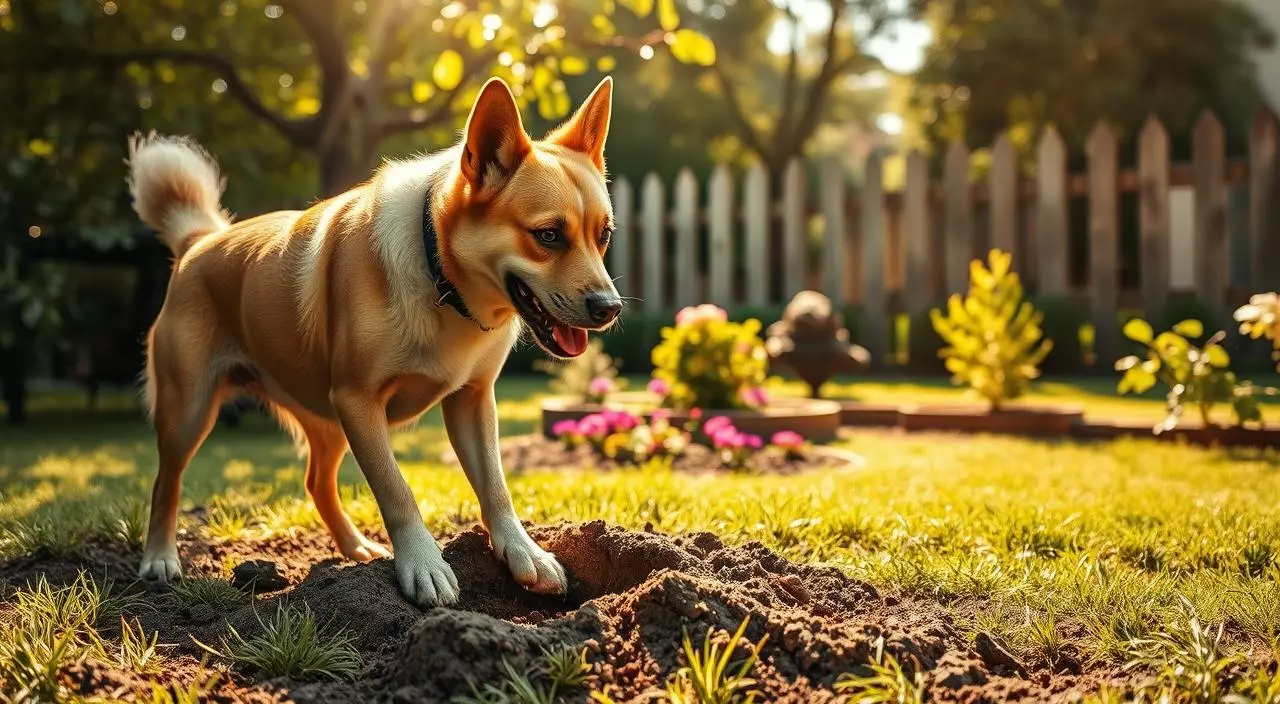
One surprising fact: up to 70% of common yard excavation traces link back to instinctive ancestry and breed history, not simple mischief. This piece explains the roots of that behavior and gives clear, humane steps owners can use today. Digging traces to wolf ancestors and to breeds bred to chase prey underground—terriers and Dachshunds are

Read More

Training Your Dog for Vet Visits

Nearly 70% of pets show clear signs of stress at the clinic — a number that makes simple preparation worth every minute. The guide explains one clear path: small, repeatable routines at home and calm “happy” trips at the clinic. These steps reduce sensory overload from unfamiliar sounds, smells, people and handling. Reward-based training builds

Read More

How to Stop Dogs from Jumping on People

The guide presents a practical, reward-based plan that helps a dog greet people calmly. It focuses on teaching what to do instead of punishing what not to do. Owners set the scene: keep high-value treats near the door, lower hands, and use a clear marker word with precise timing. Short daily sessions build habits—many dogs

Read More

Puppy Socialization Tips

One study shows the brain window for early learning can shape behavior for years: the core period runs from about 3 to 12 weeks and can extend to 16–20 weeks for some breeds. This window matters because timely, gentle exposure helps a young dog accept new sights, sounds, smells, people, and places as normal. Caregivers

Read More

Solutions for Dogs Barking at Strangers

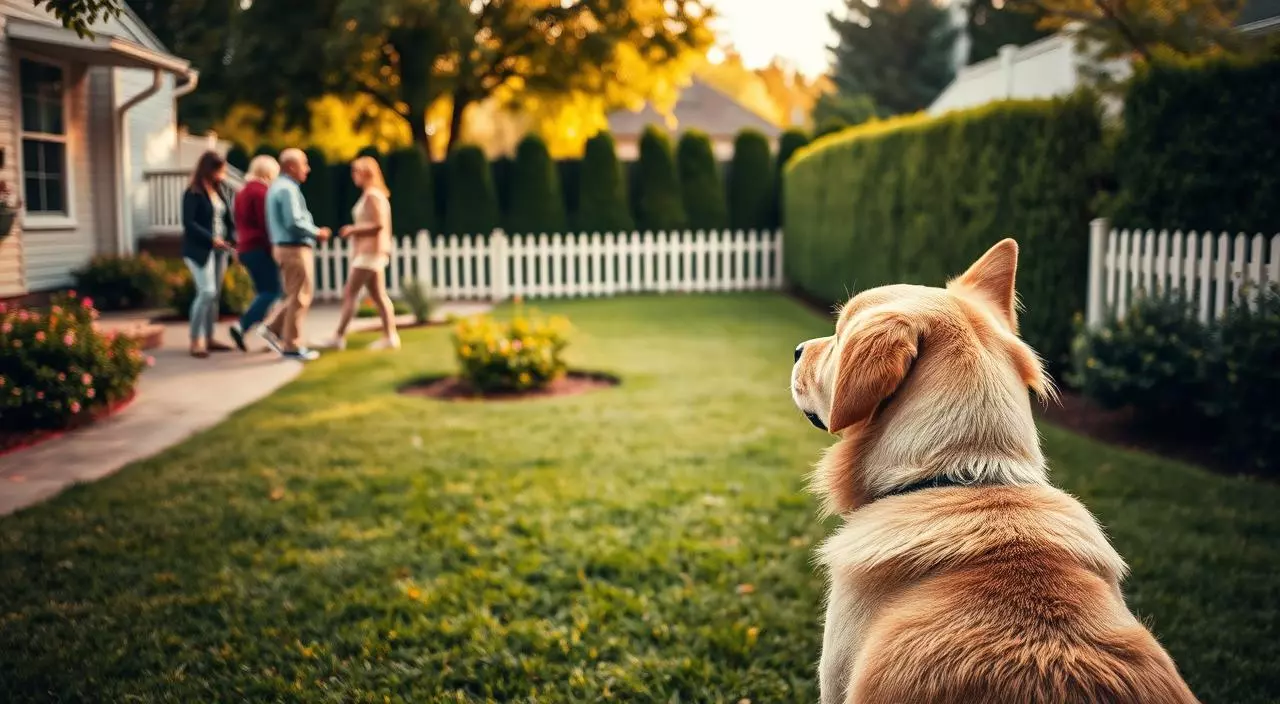
One study found that more than 70% of owners reported vocal reactions when unfamiliar people approached their property — a clear sign that this is a common, solvable challenge for pet families. This brief guide explains humane steps to reduce reactive noise and why different sounds—howling, whining, growling, and barking—mean distinct feelings or needs. It

Read More